
Choosing an escalator replacement handrail is not only a matter of length. The handrail must fit the escalator profile, run smoothly through the handrail guide, match the drive roller and maintain stable contact throughout operation. A wrong handrail can cause noise, slipping, abnormal wear or installation delays.
1. Confirm the Escalator Brand and Model
Brand compatibility is the first step. Buyers often search for Otis escalator handrail, Schindler escalator handrail, Thyssen escalator handrail or Kone escalator handrail. The model, installation year and original part information help confirm whether the new handrail can match the existing system.
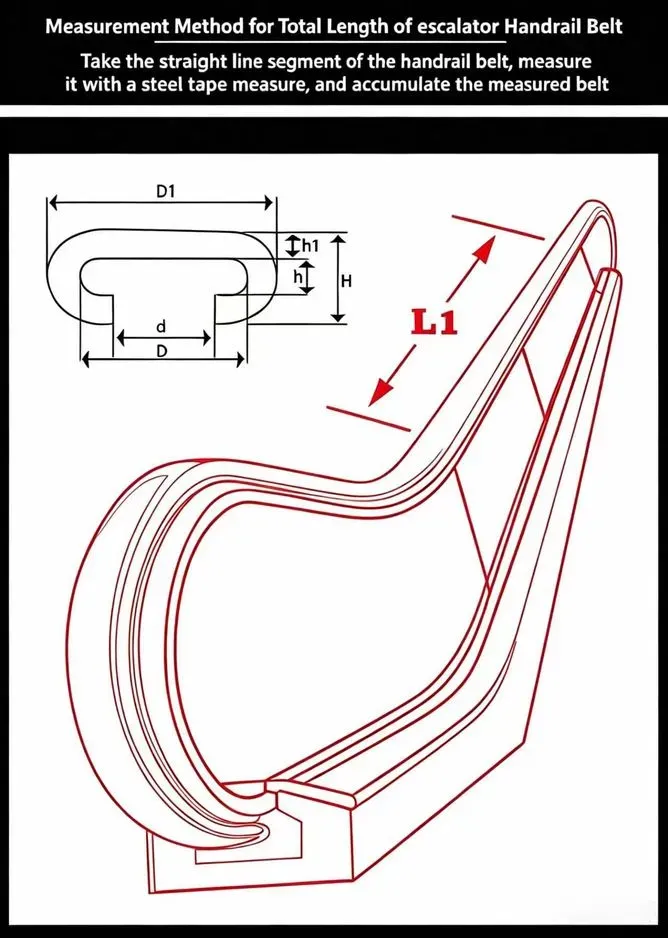
2. Measure the Profile and Loop Length
The profile must match the guide path and inlet structure. Measure the width, height, inner shape and total loop length carefully. If the project requires a standard escalator handrail for commercial escalator use, the buyer should still verify site dimensions before production.
3. Check Related Components
The handrail does not work alone. During replacement, inspect the escalator handrail guide, handrail drive roller, escalator handrail inlet, handrail tension wheel and sliding guide. If these components are worn, a new handrail may still run poorly.
4. Select the Right Material
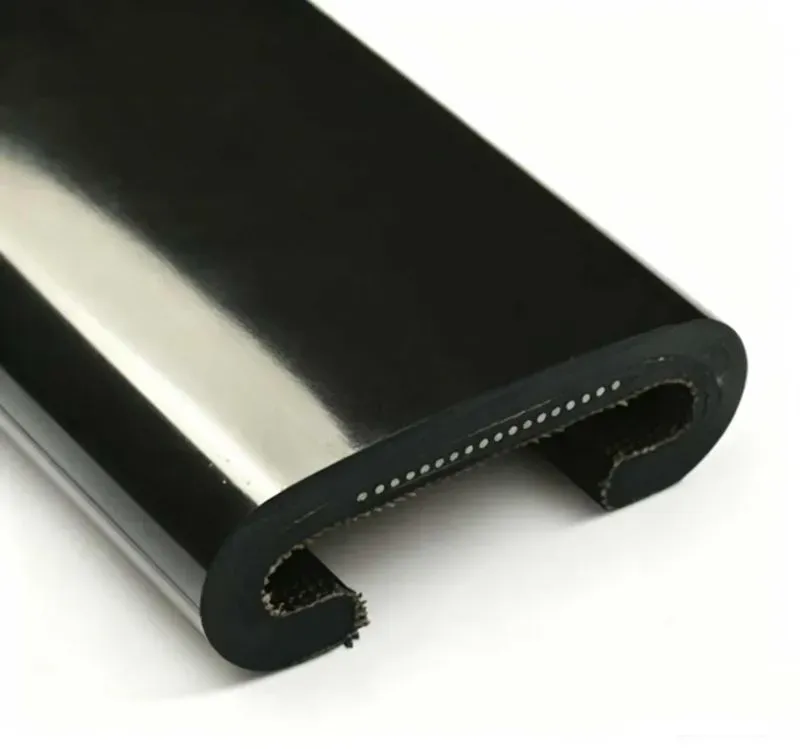
For most indoor sites, an escalator rubber handrail is a reliable maintenance part. For special requirements, PU escalator handrail or PVC escalator handrail options can be reviewed. Wear resistant and heat resistant specifications should be considered for high-traffic or demanding environments.
5. Prepare Clear Inquiry Information
- Escalator brand and model.
- Handrail profile photos and cross-section dimensions.
- Required color and surface finish.
- Total length or original part number.
- Quantity and destination country.
With complete information, an escalator handrail supplier can confirm the correct replacement handrail faster and reduce the risk of mismatch.