
An escalator handrail maintenance part should be checked together with the handrail belt. Even a new escalator hand strap can wear quickly if the guide path, drive roller, inlet or tension system is not working correctly. For maintenance teams, inspecting related parts before replacement helps avoid repeated failures.
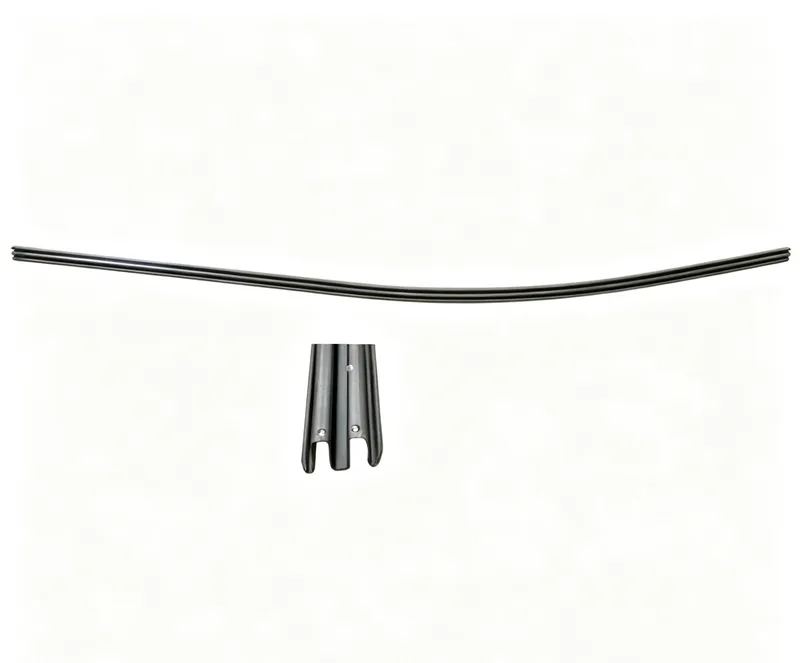
Escalator Handrail Guide
The escalator handrail guide supports the handrail path and helps maintain stable movement. Worn or deformed guide parts can create friction, noise or uneven running. When replacing a handrail, check the guide surface and curved sections carefully.
Handrail Drive Roller
The handrail drive roller transfers movement to the handrail. If the roller surface is worn, contaminated or misaligned, the handrail may slip or run at the wrong speed. This can reduce the service life of an escalator rubber handrail or PU escalator handrail.
Escalator Handrail Inlet
The escalator handrail inlet is a safety-related entrance component. It should guide the handrail smoothly while reducing pinch risks. Damaged inlet parts should be replaced promptly during escalator handrail repair work.
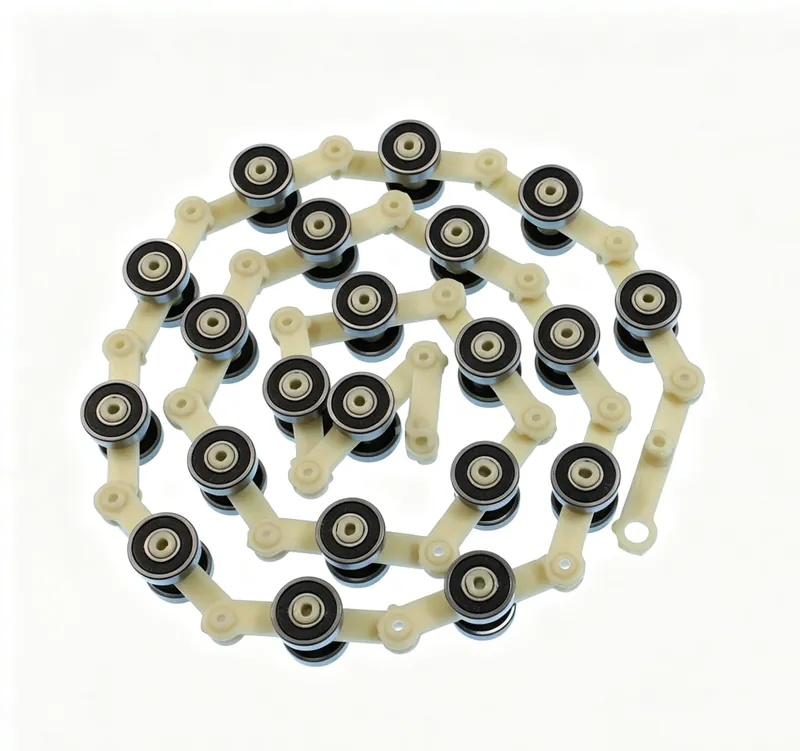
Tension Wheel and Sliding Guide
The escalator handrail tension wheel helps maintain the correct handrail tension. The handrail sliding guide supports smooth movement along the return path. Both should be inspected when the handrail shows abnormal noise, vibration or tracking issues.
Maintenance Checklist
- Check handrail surface wear, cracks and deformation.
- Inspect guide curves, inlet parts and sliding guide condition.
- Confirm drive roller traction and alignment.
- Verify handrail tension and running synchronization.
- Replace related accessories together when necessary.
ESCAOSS supplies escalator handrail repair parts and related accessories for maintenance projects. Provide photos, dimensions and model details to confirm suitable replacement parts.